
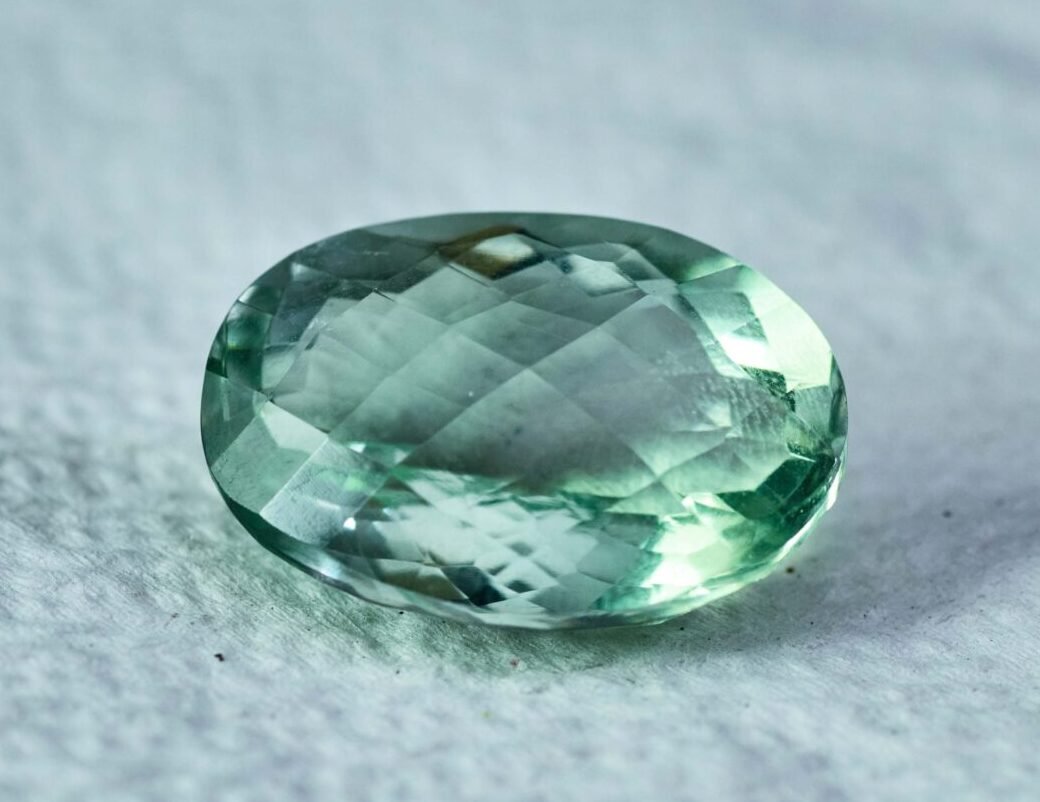
Lemon Quartz: Understanding the Sunny Yellow Gem That Brightens Any Collection
Picture holding a piece of captured sunlight, so bright and cheerful that it seems to radiate warmth even on the cloudiest day. This is Lemon Quartz, a gemstone that perfectly embodies the joy and energy of a sunny morning. But before we dive into the fascinating world of this yellow beauty, let’s start with a fundamental question that helps us understand what we’re really looking at: What exactly makes Lemon Quartz different from the countless other yellow stones in nature?
The answer lies in understanding both the natural processes that create yellow quartz and the human innovations that enhance its beauty. This journey will take us from ancient geological formations deep within the Earth to modern gemstone treatment facilities, and finally to Nigeria’s emerging role in the global quartz market.
Building Our Foundation: What Exactly Is Lemon Quartz?
To truly appreciate Lemon Quartz, we need to start with its most basic identity. Think of quartz as one of nature’s most successful minerals – it’s everywhere around us, from the sand on beaches to the mountains that define landscapes. Chemically, all quartz shares the same simple formula: silicon dioxide, or SiO₂. This might sound ordinary, but this simplicity is actually quartz’s greatest strength.
Now, here’s where it gets interesting, and this is a crucial concept to grasp: pure quartz is completely colorless, like clear glass. Every time you see colored quartz – whether it’s purple amethyst, golden citrine, or our sunny Lemon Quartz – you’re looking at the result of tiny impurities or structural changes that occurred during the crystal’s formation. Think of pure quartz as a blank canvas, and these impurities as nature’s paint brushes.
Lemon Quartz specifically gets its vibrant yellow color through one of two pathways, and understanding this distinction helps us appreciate both natural and enhanced gemstones. Some Lemon Quartz forms naturally when iron impurities become incorporated into the crystal structure and are then exposed to natural radiation over geological time. This process slowly transforms colorless quartz into various shades of yellow.
However, much of the Lemon Quartz in today’s market begins life as colorless quartz or pale amethyst and achieves its brilliant yellow through careful heat treatment. This process mimics what nature does naturally, but accelerates it from millions of years to a matter of hours. The result is gemstone material with consistent, vibrant color that might be difficult to find in purely natural specimens.
The Science Behind the Sunshine: How Yellow Color Develops in Quartz
Understanding how Lemon Quartz gets its color requires us to think about crystals at the atomic level. This might seem complex at first, but let’s break it down into digestible concepts that build upon each other.
Imagine the quartz crystal structure as a perfectly organized three-dimensional framework, like an incredibly complex jungle gym made of silicon and oxygen atoms. In pure quartz, this framework is perfectly ordered and allows all wavelengths of light to pass through unchanged, which is why we see it as colorless.
Now, when iron atoms enter this structure during crystal formation, they don’t quite fit perfectly. Iron atoms are slightly different in size and electrical properties compared to silicon atoms, so they create tiny distortions in the crystal framework. These distortions interact with light in specific ways, absorbing certain wavelengths while allowing others to pass through.
Here’s the key insight: iron by itself doesn’t create yellow color in quartz. The iron atoms must be in a specific oxidation state and often need to be activated by radiation or heat treatment. Think of the iron impurities as being “asleep” in their original state. Natural radiation from surrounding rocks, or controlled heat treatment in laboratories, provides the energy needed to “wake up” these iron centers and transform them into color-producing entities.
This process explains why heat treatment of quartz is so effective and widely accepted in the gem trade. The treatment doesn’t add foreign substances to the crystal – it simply activates color centers that were already present but dormant. The yellow color that emerges is stable under normal conditions, meaning properly treated Lemon Quartz will maintain its beautiful color indefinitely with proper care.
The Geological Story: Where and How Lemon Quartz Forms
Understanding where Lemon Quartz comes from helps us appreciate both its abundance and its variations. Quartz forms in an remarkably wide range of geological environments, which explains why we find it almost everywhere on Earth. But certain environments favor the formation of the specific conditions needed for yellow quartz varieties.
Let’s start with hydrothermal environments, which you can think of as nature’s pressure cookers. Deep within the Earth, hot, mineral-rich water moves through cracks and cavities in rocks. As this water cools and pressure changes, dissolved silica begins to crystallize as quartz. If iron-rich solutions are present during this process, the growing quartz crystals can incorporate iron impurities that will later contribute to yellow coloration.
Pegmatites represent another important formation environment. These are essentially the final stages of granite formation, where the remaining liquid becomes highly concentrated with various elements. The slow cooling process in pegmatites allows large, well-formed quartz crystals to grow, often incorporating trace elements like iron that can later be activated to produce beautiful colors.
Sedimentary environments also play a role in quartz formation, though the processes work differently. When existing quartz-bearing rocks weather and erode, the released silica can be transported by groundwater and eventually recrystallize in new locations. This secondary quartz formation can also incorporate iron and other trace elements from the surrounding environment.
The key point to understand is that the quartz itself can form in many environments, but the specific conditions needed for iron incorporation and subsequent color development are more restricted. This explains why high-quality natural yellow quartz is relatively uncommon compared to colorless varieties.
Global Sources and Regional Characteristics
The worldwide distribution of Lemon Quartz reflects both natural occurrence and commercial treatment operations. Understanding these sources helps us appreciate the global nature of the quartz trade and the different characteristics that various regions contribute.
Brazil stands as the dominant force in the global quartz market, producing enormous quantities of both natural and treatable material. The country’s geological diversity includes extensive areas of quartz-bearing formations, from pegmatites to hydrothermal deposits. Brazilian operations have also perfected many of the heat treatment techniques used to enhance quartz colors, making the country a center for both rough material production and value-added processing.
Think about Brazil’s advantage this way: they have both the raw material and the technical expertise to transform it into beautiful gemstones. This vertical integration allows Brazilian suppliers to offer consistent quality and large quantities of treated Lemon Quartz to international markets.
Uruguay, though smaller than Brazil, produces quartz with distinctive characteristics. Uruguayan amethyst, when heated, often transforms into particularly beautiful golden and lemon yellow colors. The country’s deposits occur in volcanic rock formations that create unique growing conditions, resulting in quartz with exceptional clarity and color response to treatment.
Madagascar has emerged as another important source, particularly for natural color yellow quartz varieties. The island’s complex geological history has created diverse quartz deposits, including some that produce naturally yellow material without treatment. Madagascar’s quartz often shows different growth patterns and inclusion types compared to South American material.
Other significant producers include the United States, particularly Arkansas and North Carolina, India, and various African countries. Each region contributes its own characteristics to the global quartz supply, creating diversity in appearance and quality that serves different market segments.
Lemon Quartz and Nigeria: Unlocking West African Potential
Nigeria’s relationship with Lemon Quartz represents both current opportunity and future potential, and understanding this connection requires us to examine the country’s geological foundations and developing gemstone industry. This relationship illustrates how geological knowledge combined with technological advancement can unlock hidden treasures.
Nigeria sits on some of the world’s oldest geological formations, including parts of the West African Craton that date back over two billion years. This ancient foundation has been subjected to multiple geological events – mountain-building episodes, volcanic activity, and extensive metamorphism – that created ideal conditions for quartz formation throughout the country’s geological history.
The Jos Plateau region exemplifies Nigeria’s quartz potential. This area, famous internationally for tin production, contains extensive pegmatite fields that also host significant quartz deposits. Many of these pegmatites contain large, well-formed quartz crystals that show the clarity and size needed for gem applications. While historical mining focused on tin and other metals, the quartz was often considered a byproduct rather than a valuable commodity in its own right.
Here’s where understanding becomes crucial: Nigeria’s quartz deposits likely contain significant amounts of material suitable for Lemon Quartz production through heat treatment. The same geological processes that concentrated tin and other minerals in Nigerian pegmatites also created conditions favorable for iron incorporation in quartz crystals. This means that colorless or lightly tinted Nigerian quartz might transform into beautiful Lemon Quartz when subjected to proper treatment protocols.
The Middle Belt region of Nigeria extends this potential across a much wider area. This geological zone contains numerous quartz occurrences associated with both igneous and metamorphic rocks. Many of these deposits remain unexplored or under-explored from a gemstone perspective, representing significant untapped potential for the Nigerian gemstone industry.
Current Nigerian quartz production focuses primarily on industrial applications – silica sand for glass making, foundry applications, and construction materials. However, the growing awareness of quartz’s gemstone potential is beginning to shift this focus. Nigerian gem miners and dealers increasingly recognize that high-quality quartz crystals can command premium prices in international gemstone markets.
The development of Nigeria’s Lemon Quartz potential faces both challenges and opportunities that reflect the broader state of the country’s gemstone industry. On the opportunity side, Nigeria has abundant raw material, a growing understanding of international gem markets, and increasing access to gemstone treatment technologies. The country’s strategic location also provides good access to both European and American markets where Lemon Quartz enjoys strong demand.
However, challenges include the need for investment in modern treatment facilities, training in advanced gemstone processing techniques, and development of quality control systems that meet international standards. Heat treatment of quartz requires precise temperature control and timing to achieve optimal colors while maintaining crystal integrity. Establishing these capabilities represents both an investment opportunity and a technical challenge for Nigerian entrepreneurs.
The cultural significance of yellow gemstones in Nigerian society also creates natural domestic demand for Lemon Quartz. Yellow and gold colors hold special meaning in many Nigerian cultures, associated with prosperity, wisdom, and spiritual enlightenment. This cultural appreciation provides a foundation for both local appreciation and international marketing of Nigerian Lemon Quartz.
Looking forward, Nigeria’s Lemon Quartz potential could develop along several pathways. The country could become a significant supplier of raw material for treatment elsewhere, similar to how many countries supply rough diamonds for cutting in traditional centers. Alternatively, Nigeria could develop domestic treatment capabilities and emerge as a complete supplier of finished Lemon Quartz for international markets.
The most exciting possibility involves Nigeria developing its own distinctive brand of Lemon Quartz, capitalizing on unique characteristics of Nigerian quartz deposits. Just as different regions produce quartz with recognizable features, Nigerian material might develop its own identity in international markets based on specific color tones, clarity characteristics, or crystal formations.
Physical Properties and Identification: Understanding What You’re Looking At
Learning to properly evaluate Lemon Quartz requires understanding its physical properties and how these translate into practical gemstone characteristics. This knowledge helps both collectors and jewelry buyers make informed decisions while appreciating the stone’s inherent qualities.
Let’s start with hardness, which measures a mineral’s resistance to scratching. Quartz registers 7 on the Mohs hardness scale, making it harder than steel but softer than sapphire or diamond. Think of this hardness level as providing excellent durability for jewelry applications while remaining workable for gem cutters and jewelers.
This hardness has practical implications for both cutting and wearing Lemon Quartz. The stone can be fashioned into virtually any shape or cutting style, from traditional faceted forms to smooth cabochons or intricate carvings. For jewelry wearers, the hardness means Lemon Quartz can withstand daily wear without showing scratches from normal activities, though care should be taken to avoid contact with harder materials like diamond or sapphire.
The crystal structure of quartz belongs to the trigonal system, which influences both its physical properties and its appearance. This structure contributes to quartz’s excellent clarity – high-quality Lemon Quartz often appears completely transparent with no visible internal features. The trigonal structure also affects how light travels through the crystal, contributing to quartz’s bright, glassy luster when properly polished.
Understanding specific gravity helps in identification and evaluation. Quartz has a specific gravity of approximately 2.65, meaning it’s about two and a half times heavier than an equal volume of water. This might seem like abstract information, but experienced gem dealers can often estimate a stone’s authenticity and quality simply by feeling its weight in relation to its size.
The refractive index of quartz ranges from 1.544 to 1.553, which determines how brilliantly the stone sparkles when properly cut. While this isn’t as high as diamond or many other precious stones, skilled cutting can maximize quartz’s natural brilliance and create beautiful light displays. The relatively low refractive index also means that quartz requires different cutting approaches compared to higher-index stones to achieve optimal optical performance.
Lemon Quartz typically shows excellent transparency and clarity, with the best specimens appearing completely flawless to the naked eye. When inclusions are present, they often take the form of tiny liquid-filled cavities, needle-like crystals of other minerals, or subtle growth patterns that can actually enhance the stone’s character rather than detract from it.
Color evaluation requires understanding both natural and treated varieties. Natural yellow quartz often shows subtle color variations and zoning that reflects the conditions present during crystal growth. Treated Lemon Quartz typically displays more even, saturated color that may appear slightly different under various lighting conditions. Neither approach is superior – they simply represent different expressions of quartz’s versatility.
Historical Context and Cultural Significance
While the specific identity of “Lemon Quartz” as a named variety is relatively recent, yellow quartz varieties have been appreciated by human cultures for thousands of years. Understanding this historical context helps us appreciate both the stone’s enduring appeal and its modern commercial development.
Ancient civilizations recognized quartz as a special material long before they understood its scientific properties. The name “quartz” itself derives from the Saxon word “querklufterz,” meaning “cross-vein ore,” reflecting early miners’ observations of how quartz veins cut across other rock formations. Yellow varieties of quartz were particularly prized because their bright colors suggested connections to the sun and gold, two of humanity’s most powerful symbols.
Roman and Greek cultures incorporated yellow quartz into jewelry and decorative objects, often believing that the stones carried protective powers or enhanced mental clarity. These ancient associations with wisdom and protection continue to influence modern metaphysical beliefs about yellow quartz varieties, including contemporary Lemon Quartz.
The development of modern heat treatment techniques in the mid-20th century revolutionized the yellow quartz market. This technological advancement made it possible to produce large quantities of consistently colored yellow quartz, democratizing access to beautiful yellow stones that had previously been rare and expensive. Think of this development as similar to how synthetic dye production made colorful clothing available to ordinary people rather than just the wealthy elite.
The commercial naming of “Lemon Quartz” reflects modern marketing approaches that seek to create distinct identities for different gemstone varieties. This naming strategy helps consumers understand and appreciate subtle differences between various types of yellow quartz while creating clear market categories for retailers and wholesalers.
Modern Applications and Market Dynamics
Today’s Lemon Quartz market reflects both traditional appreciation for beautiful gemstones and contemporary trends in jewelry design and consumer preferences. Understanding these market dynamics helps explain the stone’s popularity and commercial success.
The fashion jewelry market has particularly embraced Lemon Quartz for several compelling reasons. First, its bright, cheerful color complements current design trends that favor bold, optimistic aesthetics. Second, its excellent availability in large sizes allows designers to create statement pieces that would be prohibitively expensive in rarer gemstones. Finally, its durability makes it suitable for everyday wear jewelry that needs to withstand active lifestyles.
Think about how Lemon Quartz fits into modern jewelry wardrobes. A large Lemon Quartz pendant can serve as a focal point for professional attire, adding a touch of color and sophistication without appearing overly flashy. Smaller Lemon Quartz stones work beautifully in stackable rings or delicate earrings that complement casual styling.
The gemstone collecting community appreciates Lemon Quartz from multiple perspectives. Collectors focused on quartz varieties seek examples that demonstrate different treatment techniques, crystal formations, or geographic origins. Color collectors prize the pure, saturated yellow tones that high-quality Lemon Quartz can achieve. Size-focused collectors appreciate that quartz can be found in very large, museum-quality specimens that showcase the stone’s natural beauty on an impressive scale.
Commercial applications extend beyond jewelry into decorative arts and architectural elements. Large Lemon Quartz specimens serve as focal points in interior design, while smaller stones find applications in luxury accessories like watch faces or decorative inlays.
The wholesale gemstone trade has developed sophisticated systems for grading and pricing Lemon Quartz based on factors like color intensity, clarity, cut quality, and size. Understanding these commercial standards helps both professional buyers and retail consumers make informed decisions about quality and value.
Treatment and Enhancement: Understanding the Full Picture
The treatment of quartz to enhance or create yellow colors represents one of the most successful and widely accepted enhancement techniques in the gemstone industry. Understanding these processes helps consumers make informed decisions while appreciating the skill and science involved in gemstone enhancement.
Heat treatment of quartz typically involves carefully controlled heating to specific temperatures, usually between 400 and 600 degrees Celsius. This process requires precise temperature control because too little heat fails to activate color centers while excessive heat can damage the crystal structure or create unwanted color changes.
The science behind this treatment builds on our earlier discussion of iron impurities in quartz. Think of heat treatment as providing the energy needed to rearrange these impurities into color-producing configurations. The process essentially accelerates natural geological processes that might take millions of years to occur spontaneously.
Professional treatment facilities use specialized furnaces that can maintain precise temperatures while gradually heating and cooling the quartz to prevent thermal shock. The entire process might take several days from start to finish, with careful monitoring at each stage to ensure optimal results.
From a consumer perspective, it’s important to understand that heat-treated Lemon Quartz represents legitimate gemstone material with stable, permanent color. The treatment doesn’t involve adding foreign substances or creating artificial materials – it simply unlocks color potential that was already present in the crystal structure.
Disclosure of treatment represents both an ethical requirement and a practical necessity in the modern gemstone trade. Reputable dealers clearly identify treated stones, allowing consumers to make informed choices based on their preferences and intended use. This transparency has helped build consumer confidence in treated gemstones while maintaining clear distinctions between natural and enhanced materials.
Care, Maintenance, and Longevity
Proper care of Lemon Quartz ensures that its beauty endures for generations while maintaining both its physical integrity and optical properties. Understanding these care requirements helps owners protect their investment while enjoying their gemstones to the fullest.
The durability of quartz makes it relatively low-maintenance compared to more fragile gemstones, but certain precautions help preserve its appearance and structural integrity. Thermal shock represents the primary risk to avoid – sudden temperature changes can create internal stresses that might cause cracking or fracturing. This means avoiding exposure to extreme heat followed by rapid cooling, such as leaving jewelry in direct sunlight and then immediately immersing it in cold water.
Cleaning Lemon Quartz requires only gentle methods that respect its hardness while removing accumulated dirt and oils. Warm water with mild dish soap provides an effective and safe cleaning solution for routine maintenance. A soft brush can help remove stubborn deposits without scratching the stone’s surface. Ultrasonic cleaners are generally safe for quartz, but should be avoided if the stone shows any visible fractures or inclusions that might be affected by vibration.
Storage considerations focus on preventing scratches and impacts that could damage the stone or its setting. While quartz can scratch softer materials, it can be scratched by harder stones like sapphire, ruby, or diamond. Individual storage compartments or soft cloth pouches provide ideal protection for valuable pieces.
Long-term stability of color in heat-treated Lemon Quartz is excellent under normal conditions. The color centers created during treatment remain stable at room temperature and normal lighting conditions. However, exposure to intense radiation or extreme heat might affect color stability, though such conditions are unlikely to occur in normal jewelry wearing or display situations.
Investment Considerations and Market Outlook
Evaluating Lemon Quartz as an investment requires understanding both its inherent characteristics and broader market trends that affect colored gemstone values. While quartz varieties generally don’t appreciate at the same rate as rare precious stones, they offer certain advantages for both novice and experienced collectors.
The abundance of quartz worldwide ensures relatively stable supply, which supports consistent pricing and availability. This stability makes Lemon Quartz particularly attractive for jewelry applications where matching stones or future replacements might be needed. Unlike rare gemstones where finding a matching stone can be difficult or expensive, Lemon Quartz offers the advantage of consistent availability in various sizes and qualities.
Quality factors that influence value include color intensity and saturation, clarity and transparency, cut quality and proportions, and size. The most valuable Lemon Quartz displays pure, saturated yellow color without brown or green overtones, combined with excellent transparency and professional cutting that maximizes the stone’s natural brilliance.
Market trends favor Lemon Quartz’s position in several key segments. The fashion jewelry market continues to embrace bold colors and substantial sizes that showcase quartz varieties effectively. The alternative bridal jewelry market appreciates quartz varieties as colorful, durable options for non-traditional engagement and wedding jewelry. The metaphysical and healing crystal market provides additional demand based on quartz’s legendary properties and associations.
Geographic diversification of sources supports long-term market stability. With production from multiple continents and various geological environments, Lemon Quartz supply isn’t dependent on any single source or political situation. This diversification provides security for both commercial buyers and individual collectors.
Conclusion: Appreciating Lemon Quartz in Full Context
Our journey through the world of Lemon Quartz reveals a gemstone that perfectly balances accessibility with beauty, science with tradition, and global availability with local significance. From understanding its atomic-level color mechanisms to appreciating its potential role in Nigeria’s developing gemstone industry, Lemon Quartz demonstrates how geological knowledge enhances our appreciation of natural beauty.
The stone’s combination of durability, beauty, and availability makes it an ideal choice for both newcomers to gemstone collecting and experienced enthusiasts seeking quality materials for specific applications. Its acceptance of enhancement through heat treatment reflects the modern gemstone industry’s ability to work with nature to create beautiful materials that serve contemporary needs while respecting traditional values.
For Nigeria and other developing gemstone markets, Lemon Quartz represents opportunity at multiple levels – from raw material supply to value-added processing to finished jewelry manufacturing. The stone’s global popularity combined with technological accessibility makes it an ideal vehicle for building gemstone industry capabilities and expertise.
Whether appreciated for its sunny disposition, its geological story, its cultural significance, or simply its undeniable beauty, Lemon Quartz offers something meaningful for every observer. In our complex modern world, perhaps we all need a little more of the optimistic energy that this bright yellow gem seems to radiate so effortlessly.